


Before You Go—Let’s Boost Your Leads!
Join our community of successful HVAC and Plumbing contractors who trust Klutch Growth to enhance their online presence.
Klutch Growth Blog
Optimizing Service Area Pages for Localized SERPs
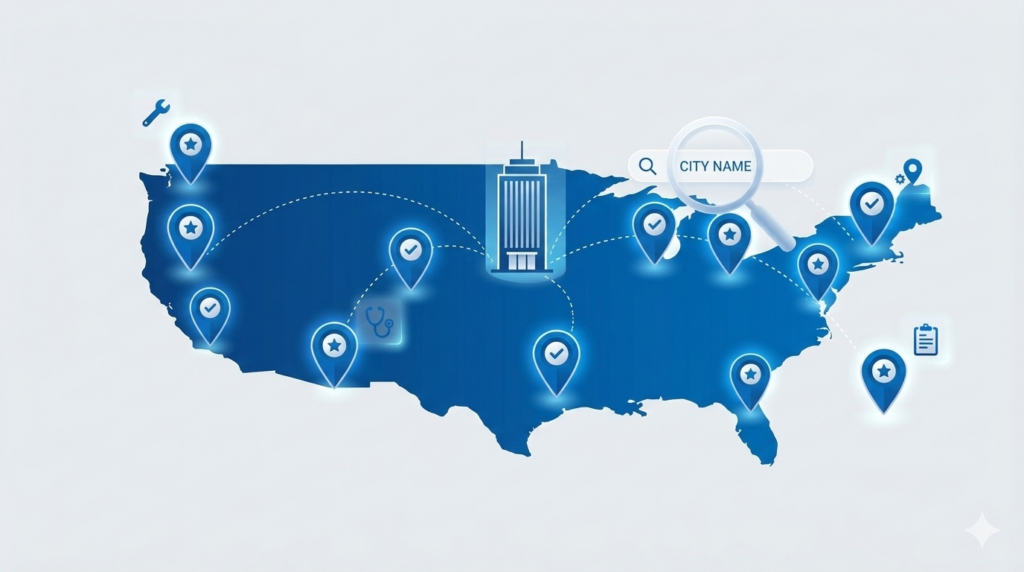
Dominate local search with optimized service area pages
In today’s digital landscape, businesses targeting local customers must prioritize visibility in localized SERPs service area pages to stand out. Localized Search Engine Results Pages (SERPs) serve as the gateway to connecting with nearby customers searching for services such as “plumbers in [City]” or “dentists near me.”
Service area pages, tailored to specific geographic regions a business serves, are powerful tools for capturing this hyper-local traffic. When optimized effectively, these pages can boost rankings in Google’s Local Pack and organic results, driving more leads and conversions.
This article provides a comprehensive guide to optimizing service area pages for localized search engine results pages (SERPs), offering actionable strategies for businesses of all sizes. From keyword research to technical SEO and content creation, you’ll learn how to craft pages that resonate with local audiences and search engines alike. Let’s dive in.
What are localized SERPs and service area pages?
Below are some simple explanations of localised SERPS and service area pages, along with their importance.
-
What are localized SERPs?
Localized Search Engine Results Pages (SERPs) are Google’s way of delivering tailored results based on a user’s location in the U.S., prioritizing businesses nearby. For instance, when a person searches “HVAC repair” on their phone, Google uses geolocation to surface local providers, often displaying a Local Pack with three businesses. This hyper-local focus drives foot traffic and calls, critical for companies competing in densely populated markets.
-
What are service area pages?
Service area pages are dedicated web pages targeting specific U.S. regions a business serves, such as a city or county. Unlike generic landing pages, they focus on localized SERPs service area pages to rank for searches like “roofing in Dallas.”
These pages detail the services offered in that area, helping businesses capture customers in multiple nearby towns without physical locations.
-
Why service area pages matter for local SEO
In the U.S., where mobile searches dominate, service area pages align with Google’s emphasis on proximity and relevance. They enhance visibility in the Local Pack and organic results, which is crucial for industries such as home services or healthcare.
By addressing local intent, these pages drive qualified leads, helping businesses stand out in a competitive market. Service area pages are crucial for U.S. sectors such as home services, legal services, and medical practices, where customers prioritise proximity and trust. They enable precise targeting, boosting conversions in local markets.
Core components of a high-performing service area page
-
Page structure and design
A high-performing service area page begins with a clear, location-specific headline, such as “Emergency Plumbing in Austin,” to signal relevance to Austin searchers.
The layout must be intuitive, featuring a clean design that prioritises key information, such as services, contact details, and location, at the top. For U.S. businesses, where mobile searches are dominant, responsive design ensures pages load seamlessly on smartphones, catering to customers who search on the go in cities or suburbs.
-
Essential content elements
Content on service area pages must be unique to each U.S. location to avoid Google’s duplicate content penalties. For instance, a page for a Chicago electrician should detail services specific to that area, like addressing local building codes. Incorporating local SEO for service area businesses involves naturally weaving in city-specific keywords while providing value, such as offering tips tailored to homeowners in the targeted region. Generic or copied content risks tanking rankings in the competitive U.S. market.
-
Visual and interactive elements
Visuals help build trust with your target audience. Embedding a Google Map pinpointing the service area, such as a county in Florida, helps users visualize coverage. Location-specific photos, such as a contractor’s work in a local neighborhood, reinforce authenticity. These elements make localized SERPs service area pages more engaging, encouraging users to stay and convert.
-
Conversion-focused features
Strong calls-to-action (CTAs) are critical for U.S. service businesses. A button like “Call Now for Seattle HVAC Repair” drives immediate action. Including click-to-call phone numbers and simple contact forms caters to impatient customers expecting instant access. CTAs should reflect the local area to boost relevance and conversions.
-
Mobile optimization
With over half of U.S. searches conducted on mobile devices, service area pages must prioritise speed and usability. Fast-loading pages with thumb-friendly buttons ensure a smooth experience for users in bustling markets like Los Angeles. Google’s mobile-friendly test can verify performance, helping businesses rank higher in local searches.
SEO strategies for optimizing service area pages
-
Local keyword research
Capturing customers begins with targeting high-intent keywords, such as “carpet cleaning in Houston” or “dentist in Boston.” U.S. searchers often use “near me” queries or city-specific terms, especially on mobile devices.
-
- Tools like Google Keyword Planner and SEMrush reveal search volumes and regional trends, enabling businesses to identify phrases with strong local demand. For a U.S. home service provider, focusing on long-tail keywords like “emergency locksmith in Las Vegas” attracts qualified leads, improving rankings in competitive urban markets with less effort.
-
On-page SEO tactics
On-page optimisation is crucial for ranking in local search results. Create title tags like “Top Plumbing in Portland | [Business Name]” and meta descriptions that highlight the city and service. Use H1 headers to emphasize location-specific offerings, such as “Chicago Roofing Solutions.”
-
- Adding local business schema markup signals Google’s geographic focus, increasing visibility in the Local Pack. These tactics ensure that localised SERP service area pages resonate with American searchers who need immediate, nearby services.
-
Internal linking and site structure
A logical site structure boosts SEO for businesses. Link service area pages to the main services page (e.g., “/home-repair”) and homepage to share authority. Adopt a hub-and-spoke model, with a central “Services” page connecting to city-specific pages, such as “/repair/miami.” This setup aids Google’s crawling process and enhances navigation for American users who value quick access to relevant information in fast-paced markets.
-
URL Optimization
URLs must be clear and location-focused for U.S. audiences. Use structures like “/services/[city]” (e.g., “/services/phoenix”) or “/[service]/[city]” (e.g., “/electrician/charlotte”). Avoid vague URLS, such as “/area1,” that can confuse users and negatively impact SEO. Descriptive URLS enhance relevance for Google and foster trust with customers, thereby encouraging clicks from local search results in high-traffic areas.
-
Integration with Google My Business (GMB)
Syncing service area pages with Google My Business (GMB) profiles amplifies U.S. local rankings. Ensure GMB service areas align with targeted regions, such as “Orange County,” for a matching page. Use GMB posts to share updates, such as discounts for “Tucson customers,” linking directly to relevant service area pages. This integration enhances Local Pack presence and drives traffic from users browsing Google My Business (GMB) on smartphones.
Technical SEO for Service Area Pages
-
Ensuring fast page load times
Speed is critical for U.S. local rankings, as American customers expect instant access, especially on mobile devices in busy cities like New York or Dallas. Slow pages frustrate users and hurt Google rankings. Optimize images, minify CSS, and use content delivery networks to boost performance. Tools like Google PageSpeed Insights help identify issues, ensuring service area pages load quickly for users searching for nearby services.
-
Mobile-first indexing considerations
Google’s mobile-first indexing prioritizes the mobile version of localized SERPs service area pages for U.S. rankings. With most American searches happening on smartphones, pages must feature responsive designs with readable text and tappable buttons. Use Google’s Mobile-Friendly Test to confirm usability. A seamless mobile experience keeps users engaged, improving dwell time and local search performance for businesses targeting U.S. suburbs or urban areas.
-
Crawlability and indexability
Ensuring Google can crawl and index service area pages is vital for visibility. Submit pages via an XML sitemap in Google Search Console, and avoid no-index tags or robots.txt blocks. For a U.S. contractor serving multiple cities, a clear sitemap helps Google discover pages like “/services/atlanta.” This ensures pages appear in local results for American searchers.
-
Addressing technical issues
Fix broken links and improper redirects to maintain trust with U.S. users. Use HTTPS to secure pages, as customers prioritize safety when submitting contact forms. Tools like Screaming Frog can identify issues, helping businesses maintain optimised pages for competitive local markets.
Content strategies to enhance engagement
-
Writing hyper-local content
You can captivate American customers by weaving local references into your service area pages. Mention nearby landmarks, like the Space Needle for a Seattle page, or community events, such as a Phoenix home show. Tailor service descriptions to local needs—highlight snow removal for a Minneapolis page. This hyper-local approach makes your localized SERPs service area pages feel relevant, encouraging searchers to trust and choose your business.
-
Leveraging user-generated content
You should showcase customer reviews specific to each U.S. service area. Embed testimonials from clients in, say, Miami, to build credibility. Encourage happy customers to leave Google reviews tied to particular regions. For SEO for service businesses without a physical location, authentic reviews signal trust to Google, boosting your rankings in competitive U.S. markets while convincing local users to engage.
-
Supporting content with blogs
You can strengthen your service area pages by linking to location-specific blog posts. Write articles like “Top HVAC Maintenance Tips for Denver Winters” and link them to your Denver service page. These blogs drive traffic and reinforce your authority in U.S. local searches, helping you connect with American customers seeking practical advice.
-
Keeping content fresh
You must update your service area pages regularly to stay relevant. Refresh details such as seasonal promotions and new services for each U.S. city you serve. Use Google Analytics to identify pages that are losing traffic and make revisions. Fresh content keeps users engaged and signals to Google that your pages are active, which in turn improves local rankings.
Tracking and measuring success
-
Key performance indicators (KPIs)
You need to track metrics to gauge the success of your service area pages in U.S. local searches. Monitor organic traffic to each page, local keyword rankings for terms like “Chicago electrician,” and conversions, such as calls or form submissions. These KPIs reveal how well your localized SERPs service area pages attract and engage American customers in competitive markets.
-
Tools for monitoring performance
You can use Google Analytics to analyze traffic and user behavior on your pages. Google Search Console shows keyword performance and click-through rates for U.S. cities you target. Tools like BrightLocal provide insights into Local Pack rankings, allowing you to assess your visibility among searchers looking for nearby services.
-
Iterating based on data
You should review the data to identify underperforming pages. Test new headlines or call-to-action (CTA) buttons to boost engagement. Utilise A/B testing to refine your content, ensuring it resonates with U.S. audiences. Regularly tweaking based on analytics keeps your pages competitive in local rankings.
Pitfalls to avoid when optimizing service area pages
-
Creating duplicate or thin content
You risk Google penalties if you copy content across your service area pages. Each U.S. city page, such as one for Miami or Seattle, requires unique details about local services. Thin content, such as short paragraphs, weakens your localized SERPS service area pages, hurting rankings in competitive American markets.
-
Keyword stuffing or over-optimization
You might be tempted to overuse keywords like “plumber in Dallas” to rank higher. However, stuffing keywords makes pages read unnaturally, alienating customers and risking Google penalties. Write naturally to keep searchers engaged and maintain SEO integrity.
-
Neglecting user experience
You’ll lose visitors if your pages load slowly or have clunky navigation. Mobile users in cities like Los Angeles expect fast, intuitive pages. Poor UX, such as missing CTAS, frustrates customers and lowers conversions, ultimately impacting local rankings.
-
Misaligning with Google’s local SEO guidelines
You must avoid “doorway pages” that trick Google with low-value content. Ensure your pages align with Google My Business service areas for the U.S. regions you target. Non-compliance can lead to ranking drops, resulting in reduced visibility among American search engine users.
FAQs
-
How to create city pages for service area businesses?
Create unique, city-specific pages with local keywords, tailored content, Google Maps integration, and clear call-to-action (CTA) buttons. Optimize URLs (e.g., /services/[city]) and use schema markup.
-
How to rank a service area business?
Optimise service area pages with local keywords, schema, and Google My Business (GMB) alignment. Build local backlinks, encourage reviews, and ensure your pages are mobile-friendly and load quickly to boost Local Pack and organic rankings.
Conclusion
You now understand the power of localized SERPs service area pages for dominating U.S. local searches. By optimizing with local keywords, creating unique content, implementing technical SEO, and utilizing engaging CTAs, you can boost your rankings and attract American customers. Track performance and avoid pitfalls, such as duplicate content, to stay competitive.
Start auditing your service area pages today, refine them with these strategies, and watch your visibility soar in your locale. Take action now to connect with local U.S. searchers and grow your business through targeted, high-performing pages that drive leads and conversions.
Recent Posts

August 31, 2026

June 19, 2026